
Navigating AI Video Production: A Practical Guide
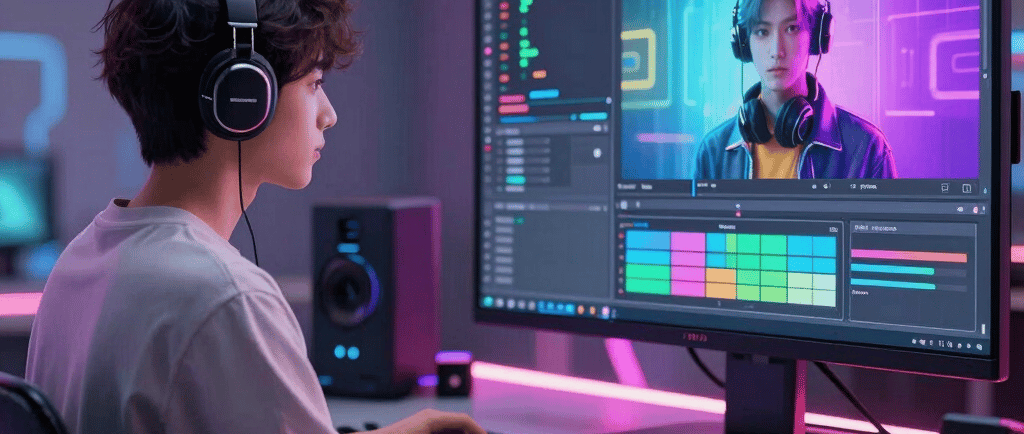

The Rise of AI Video Production
In recent years, the landscape of video production has undergone a remarkable transformation due to the emergence of artificial intelligence (AI) tools. These tools are often touted for their ability to streamline workflows, reduce costs, and enhance creativity. However, amidst the buzz, it is essential to approach AI video production with a pragmatic outlook. This guide will explore how to effectively integrate AI into your video production process while identifying scenarios where automation truly accelerates success and where it may fall short.
Identifying the Right Brief for AI Tools
Understanding when to deploy AI video tools is crucial for achieving the best outcomes. Begin by assessing your production's objectives and requirements. AI excels in repetitive tasks such as editing, color grading, and sound mixing, allowing human creatives to focus on the more nuanced aspects of storytelling.
For instance, if a project demands a quick turnaround on a large volume of content, leveraging AI for assembly editing can be a massive time-saver. Conversely, projects that require a more intricate understanding of narrative structure and emotional impact may benefit from a human touch. Therefore, it’s important to tailor your approach based on the specific brief at hand.
Understanding the Limitations of AI in Video Production
While automation can indeed enhance productivity, there’s a risk of oversimplification. AI video production tools are powerful; however, their effectiveness wanes when faced with complex storytelling elements that rely heavily on human intuition and creativity. AI might struggle with producing content that resonates on an emotional level or captures subtleties that require cultural understanding.
A practical approach to AI integration is recognizing that these tools should complement rather than replace the artistry involved in video production. The best outcomes arise when human creativity leads the project, using AI to manage specific tasks without losing the essence of the artistic vision.
Conclusion: Embracing AI Without the Hype
AI video production offers a new set of tools that, when applied judiciously, can meaningfully enhance the efficiency of video creation. By carefully evaluating the brief and understanding where automation can serve as an ally rather than a crutch, creators can fully harness the potential of these technologies. Involving AI tools in the right way can significantly improve productivity and yield content that meets the demands of today’s fast-paced media environment. Approaching AI with informed caution will allow professionals to ride the wave of innovation without succumbing to the distractions of hype.